
6 mm toughened glass price
Understanding the No-Go Ring Gauge A Key Tool in Precision Engineering In the world of precision engineering and manufacturing, the No-Go ring gauge serves as a critical tool for quality control and dimensional accuracy. This specialized gauge is part of a broader family of measurement devices that engineers, machinists, and quality control inspectors use to ensure that manufactured components meet their specified tolerances. Understanding its function, design, and application is essential for anyone involved in manufacturing processes. What is a No-Go Ring Gauge? A No-Go ring gauge is a cylindrical device that is used to check the size of a shaft or external diameter of a workpiece. The term No-Go indicates that the gauge should not fit onto the part being measured if the part is within the specified tolerance. Essentially, it is a form of limit gauge that helps ascertain whether a manufactured component has exceeded its maximum allowable dimensions. How Does It Work? The No-Go ring is designed to be slightly larger than the maximum allowable dimension specified for the part being measured. For a proper fit to be achieved, the part must be inserted into the gauge. If the part fits into the No-Go gauge, it indicates that the part exceeds its allowable size, and thus, it is considered out of tolerance. Conversely, if the part does not fit, it is within specifications. This binary assessment simplifies the inspection process and allows for quick determinations concerning the acceptability of components. Construction and Calibration no go ring gage A No-Go ring gauge is typically made of high-quality tool steel or similar materials to ensure durability and long-term accuracy. The gauge is precision-engineered to ensure that it maintains its dimensional integrity over time, which is crucial in a manufacturing environment where tolerances can be very tight. Regular calibration of these gauges is essential to maintain their accuracy. Calibration ensures that the gauge continues to provide reliable measurements and remains effective in quality control processes. Typically, manufacturers follow strict procedures to check and recalibrate these gauges periodically based on industry standards. Application in Manufacturing The No-Go ring gauge is particularly valuable in industries where precision is critical, such as automotive, aerospace, and medical device manufacturing. For instance, in the production of engine components, a No-Go gauge might be employed to verify whether a shaft adheres to the specified diameter requirements. If the shaft is too large, it may not fit properly in its intended assembly, potentially leading to mechanical failures. The use of No-Go gauges also enhances overall efficiency in production by reducing the likelihood of defective parts proceeding through the manufacturing process. By catching out-of-tolerance components early, manufacturers can save on costs associated with rework and scrap. Conclusion In summary, the No-Go ring gauge is an essential instrument in precision engineering that plays a vital role in quality assurance. Its design allows for straightforward evaluation of manufactured components, ensuring they meet strict dimensional tolerances. By using this tool effectively, manufacturers can enhance production efficiency, reduce waste, and improve the overall quality of their products. Understanding and properly utilizing No-Go ring gauges is integral for anyone involved in the manufacturing process, reinforcing the importance of precision in modern engineering practices. As industries continue to evolve and demand higher standards, tools like the No-Go ring gauge will remain essential in the quest for quality and accuracy.
about
6 mm toughened glass price
Understanding the 1% 4% 20% Thread Gage A Comprehensive Overview In the world of engineering and manufacturing, precision is critical. One of the vital tools that ensure threads meet required specifications is the thread gage. Among the many types available, the 1% 4% 20% thread gage is particularly noteworthy for its effective measurement capabilities. This article will delve into the significance, application, and implications of using this specific thread gage in various industries. What is a Thread Gage? A thread gage is a tool used to measure the size, pitch, and depth of threads on screws, nuts, and other fasteners. When a thread gage is employed, it can help in determining whether the threads are within the tolerances specified by engineering standards. Different types of thread gages are available, including plug gages, ring gages, and thread pitch gages, and each serves a unique purpose. The 1% 4% 20% Thread Gage Explained The term 1% 4% 20% in the context of thread gages typically refers to the statistical quality control framework used to assess the acceptable limits of tolerances in thread manufacturing. This principle is often grounded in the Six Sigma methodology, which aims to improve the quality of process outputs by identifying and removing causes of defects and minimizing variability. 1. 1% Tolerance This level indicates that only 1% of the production can fall outside of the specified tolerance range. It highlights the importance of maintaining extremely tight tolerances, crucial in high-performance applications where even the slightest misalignment can lead to catastrophic failures. 2. 4% Tolerance At this level, 4% of the products can be permissible deviations from the norm. This tolerance is often suitable for parts that are less critical but still require a robust measurement system to ensure performance and reliability over time. 3. 20% Tolerance With a broader tolerance of 20%, this standard might be applicable in applications where precision is less critical, allowing for easier manufacturing processes while still maintaining a baseline quality. This could be useful in less demanding assemblies where high-strength materials mitigate risks. Applications of the 1% 4% 20% Thread Gage The use of the 1% 4% 20% thread gage spans various industries, including 1 4 20 thread gage - Aerospace In this highly regulated field, thread precision is paramount. A slight defect could threaten the safety of an aircraft. Employing a 1% tolerance ensures that components meet stringent performance standards. - Automotive In the automotive sector, parts must endure extreme conditions, from temperature fluctuations to mechanical stress. Using these gages allows manufacturers to provide reliable materials that stand the test of time. - Manufacturing For general manufacturing, utilizing a 4% or 20% tolerance can enhance productivity. It empowers manufacturers to achieve a balance between efficiency and quality, allowing for cost-effective production without sacrificing essential standards. Benefits of Utilizing 1% 4% 20% Thread Gages 1. Quality Assurance Incorporating these gages into a quality assurance process minimizes defects and variances in production, ensuring that products consistently meet established specifications. 2. Cost Efficiency By identifying potential faults early in the production line, companies can reduce waste and save costs related to rework and scrap materials. 3. Enhanced Safety In critical applications where human lives are at stake, ensuring high-quality components through rigorous testing with thread gages can significantly enhance overall safety. 4. Regulatory Compliance Many industries are subject to regulatory standards that specify the required tolerances for components. Using these gages can help organizations stay compliant and avoid legal complications. Conclusion In conclusion, the 1% 4% 20% thread gage serves as an essential tool in various sectors that require high levels of precision in threaded components. By understanding and applying these standards, manufacturers can ensure quality, safety, and efficiency in their production processes. As technology advances, the importance of such measurement tools will only grow, cementing their place in the future of manufacturing and engineering.
-

High quality industrial productsagement

High quality industrial products
View Details -

Meet the diverse needs of customers

Meet the diverse needs of customers
View Details -

Strict quality control

Strict quality control
View Details -

Top raw materials

Top raw materials
View Details -

Trusted supplier

Trusted supplier
View Details
Our application


news and information
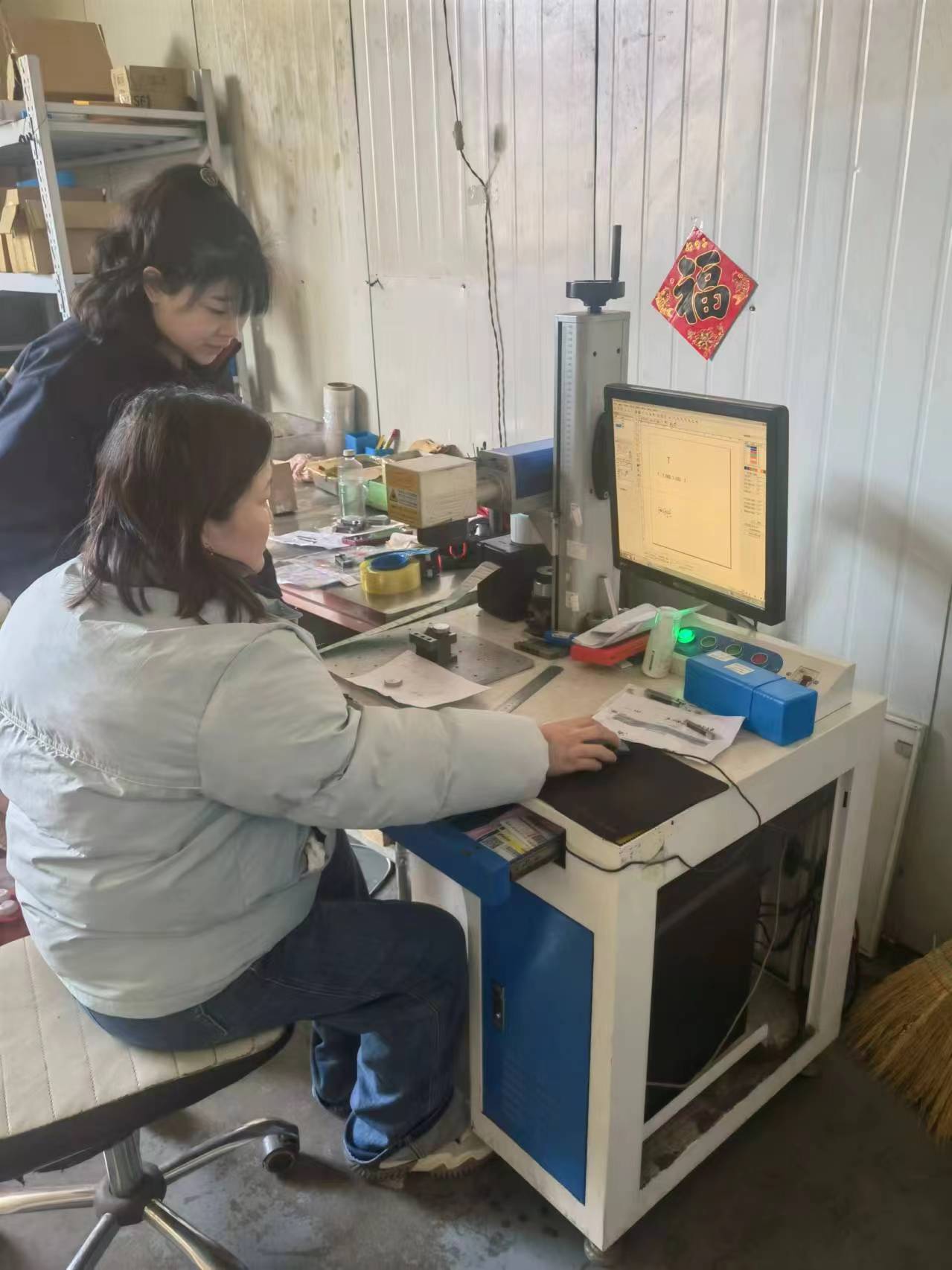
Van nước mở hoặc đóng
Van nước Bật hay Tắt? Trong cuộc sống hàng ngày, van nước đóng vai trò cực kỳ quan trọng. Chúng khôn
Valvole a farfalla 18 - Soluzioni di regolazione e controllo fluidi
La valvola a farfalla del 18% è un componente fondamentale in molte applicazioni industriali, specia

Válvula mariposa de 12 pulgadas con actuador para control de flujo eficiente
Válvula de mariposa de 12 pulgadas con actuador Un componente clave en sistemas de control de flujo
 English